Peaks Gallery
Welcome to the Mount Agung summit views gallery by Komang Trekking Mount Agung.
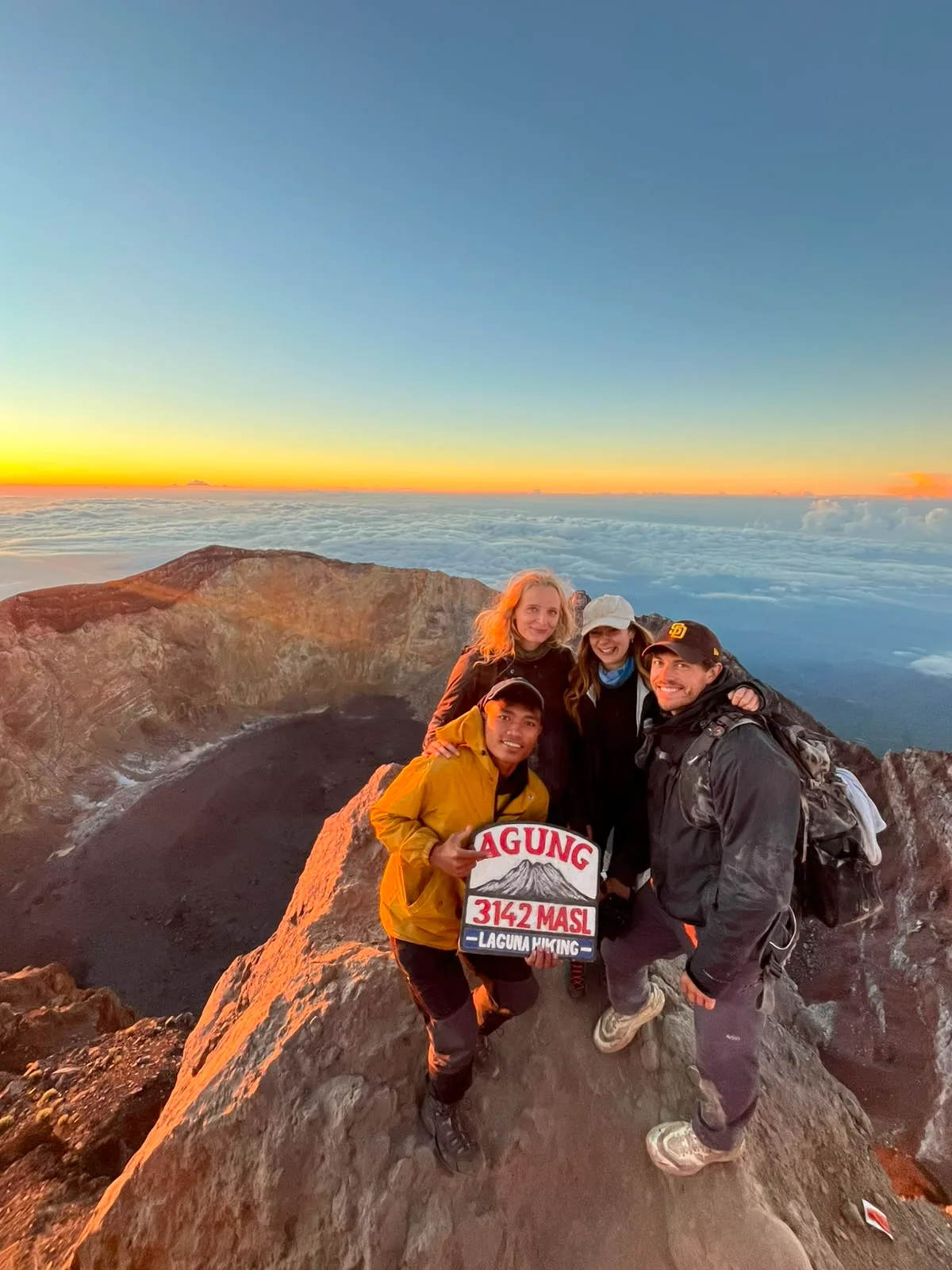
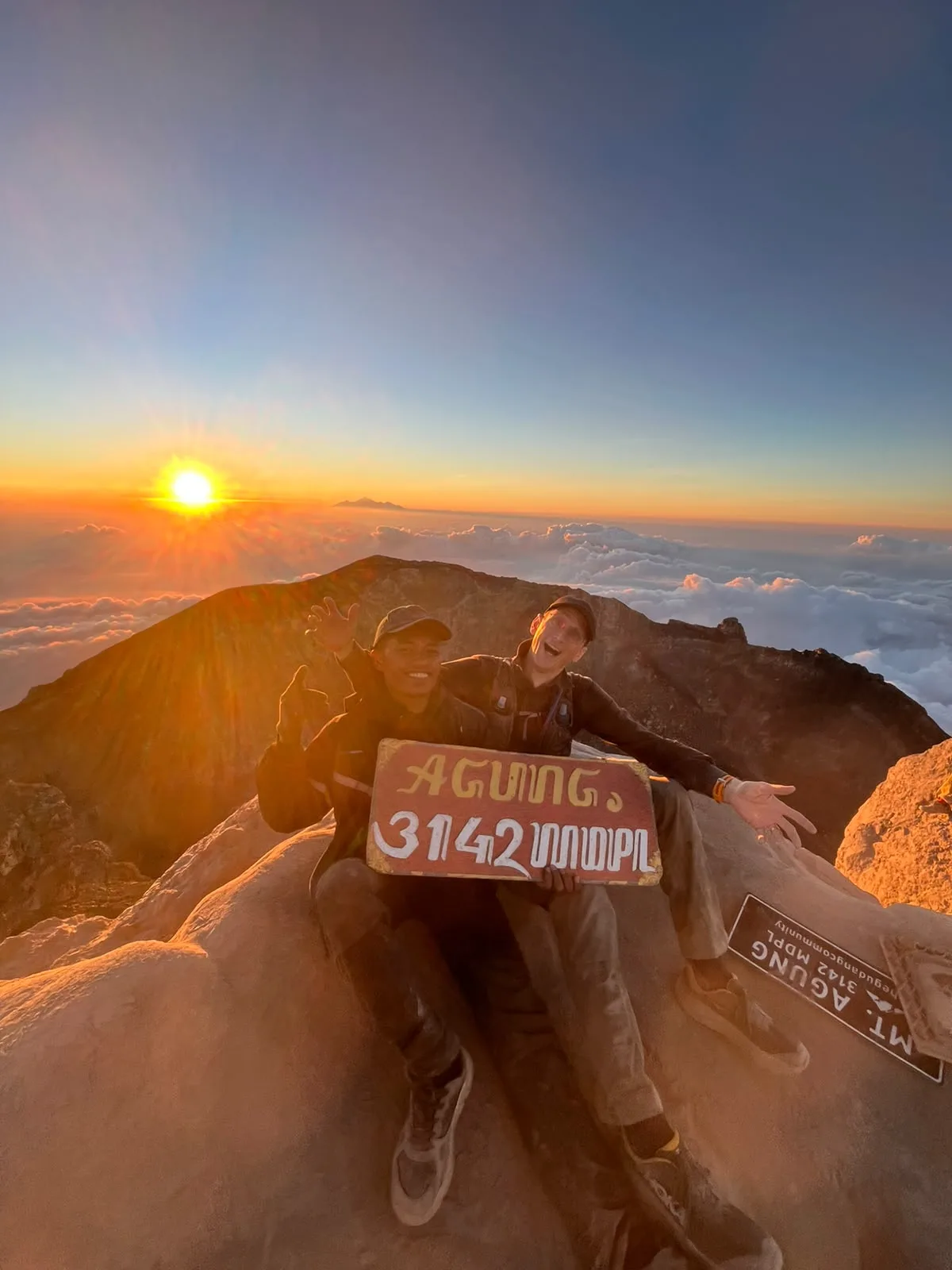
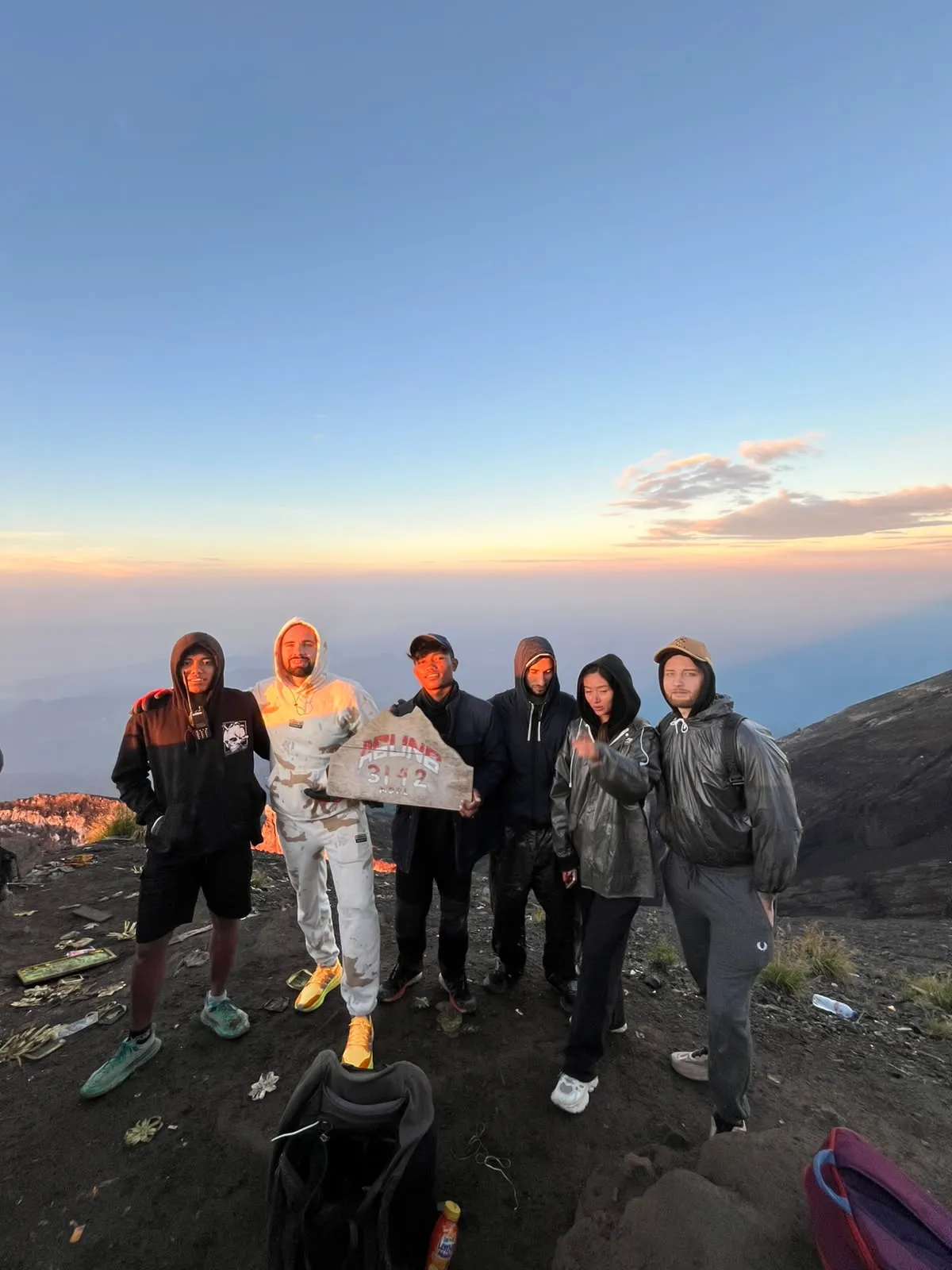
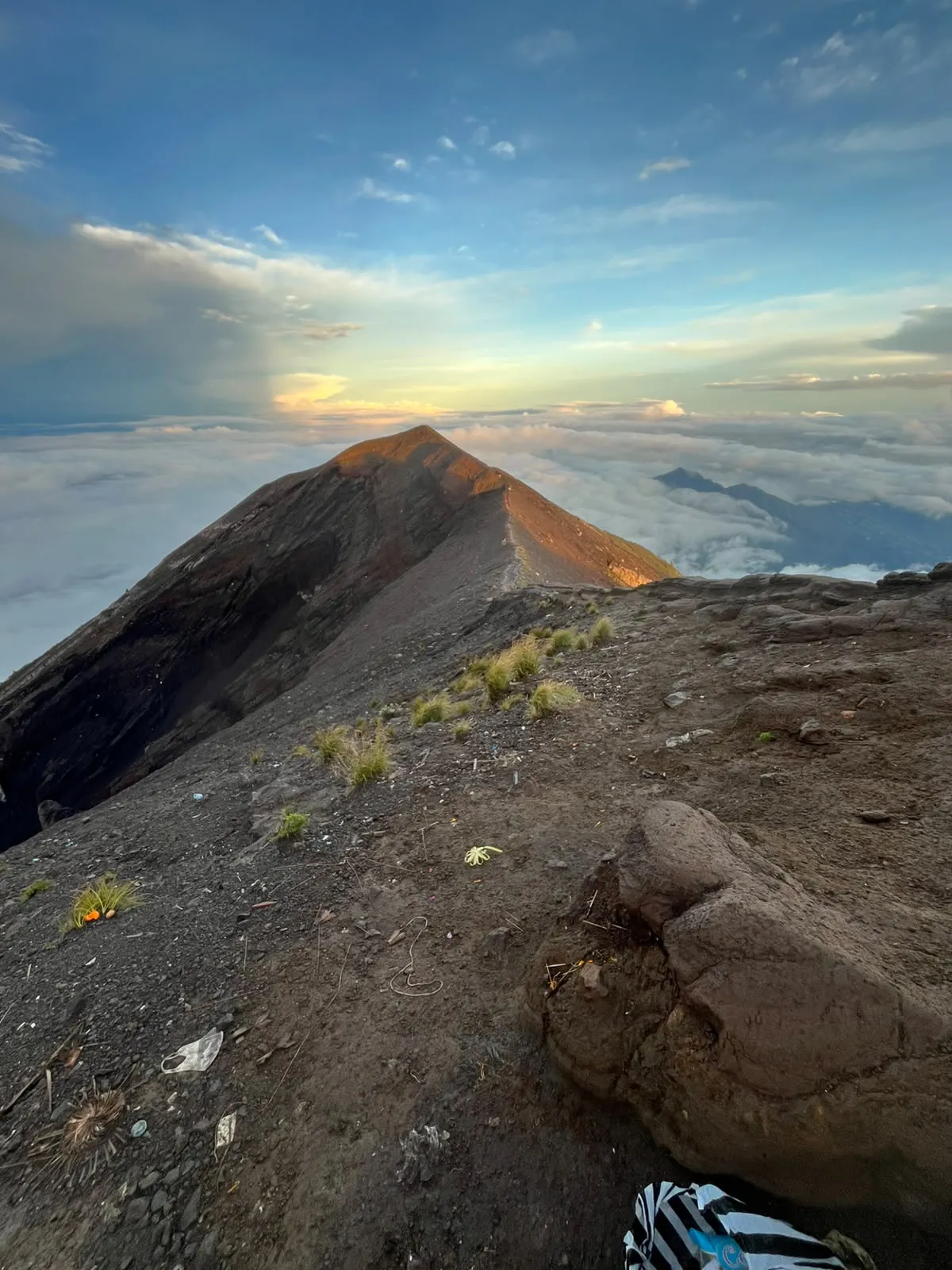
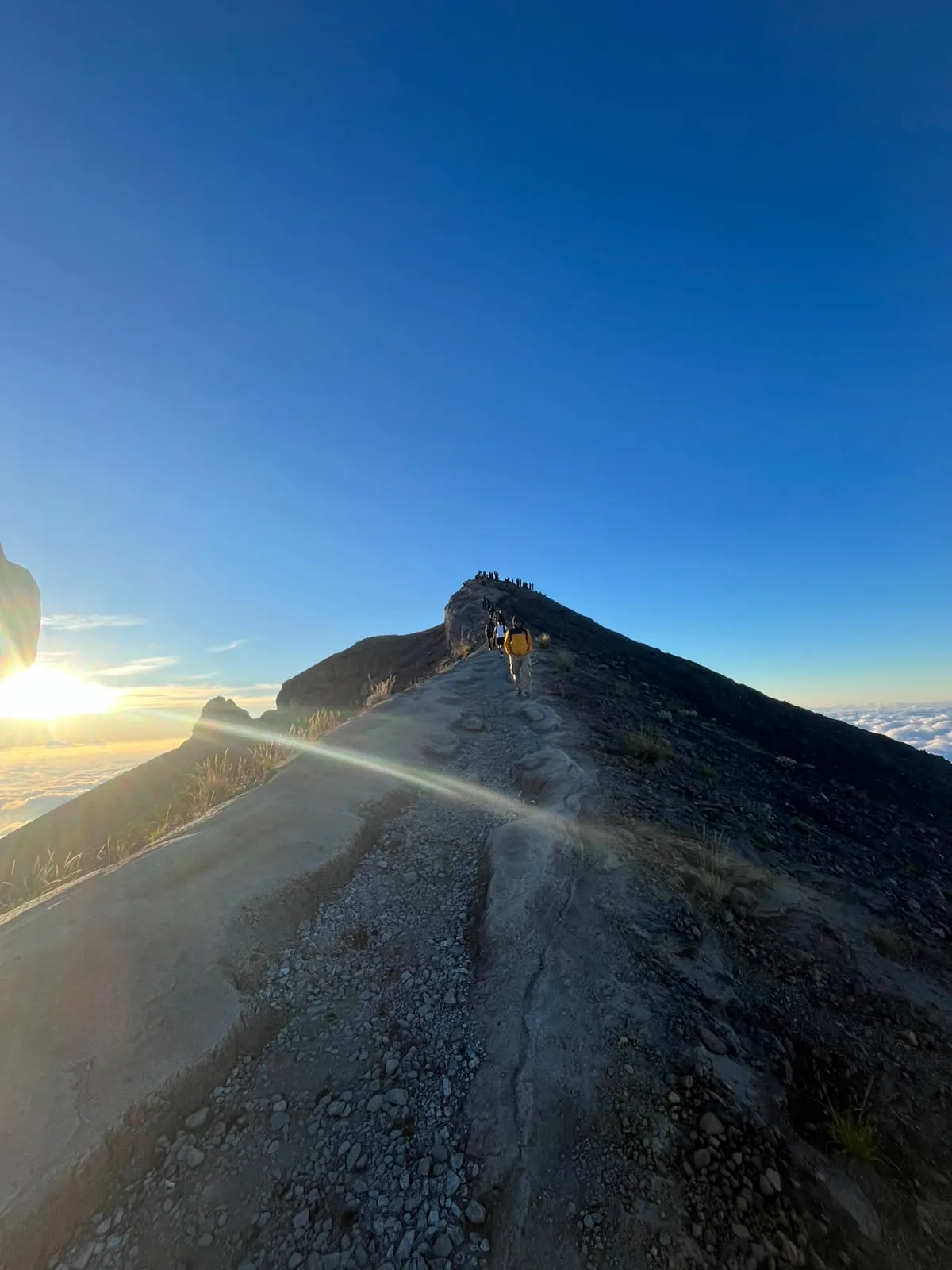
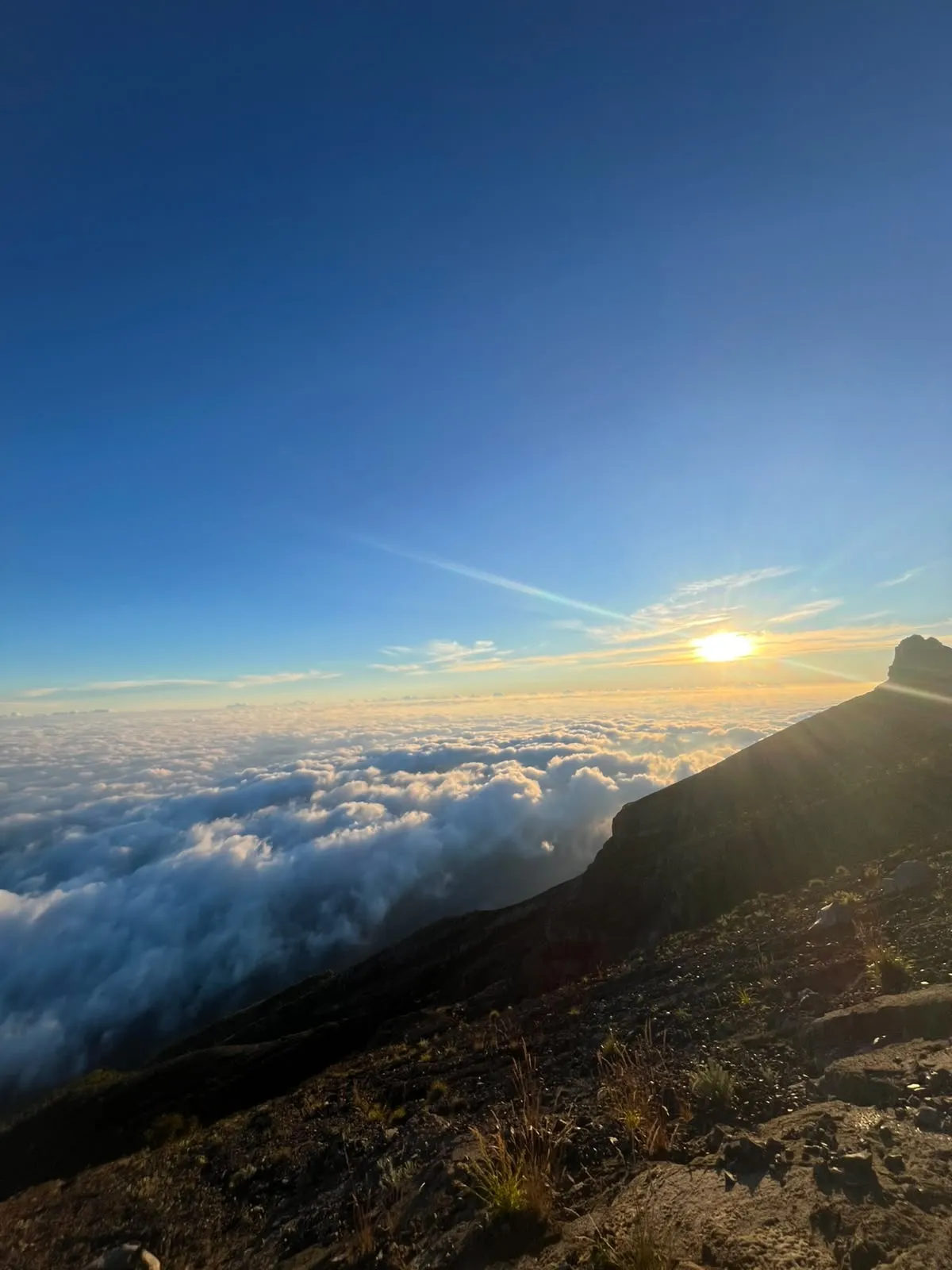
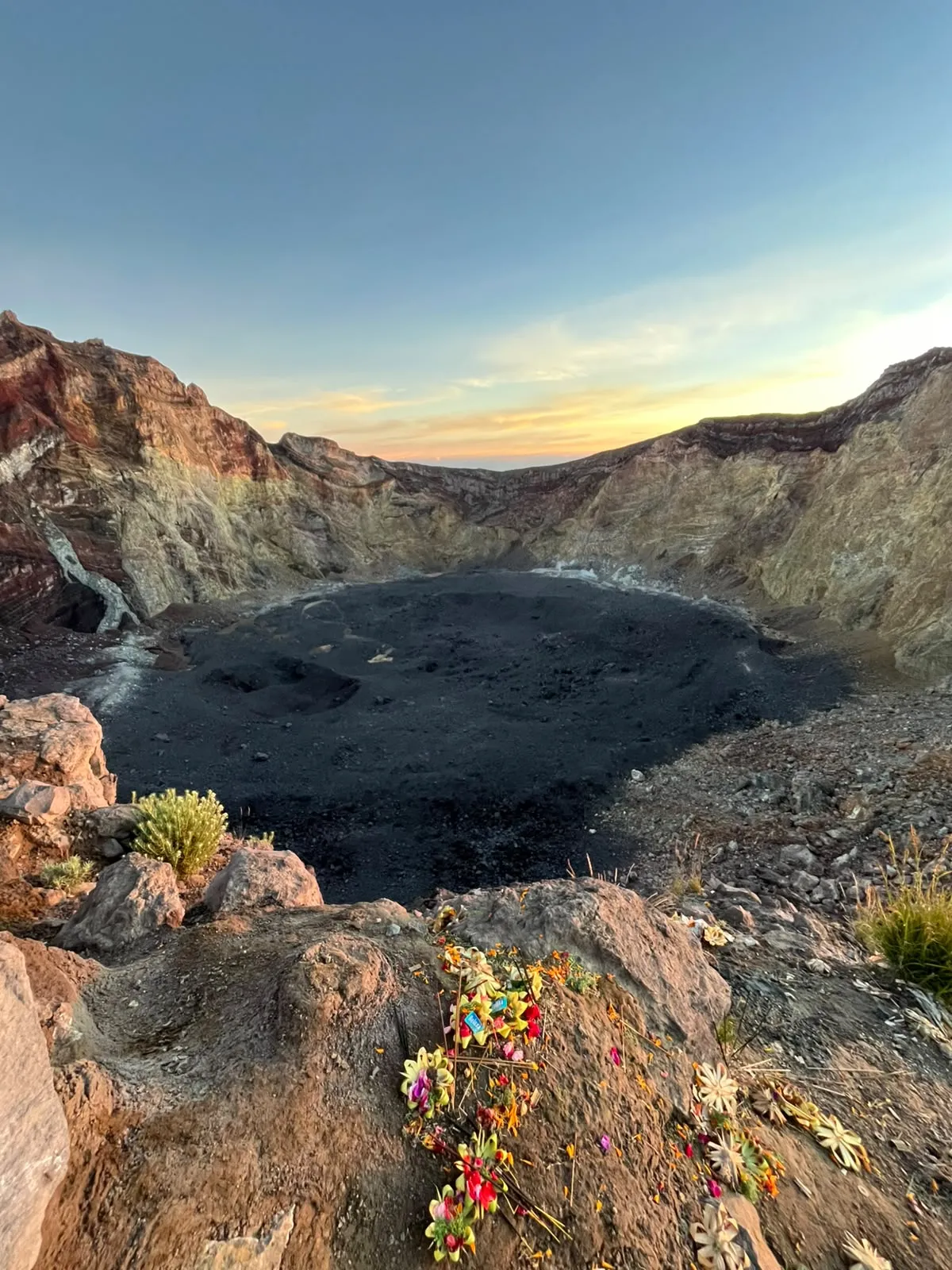
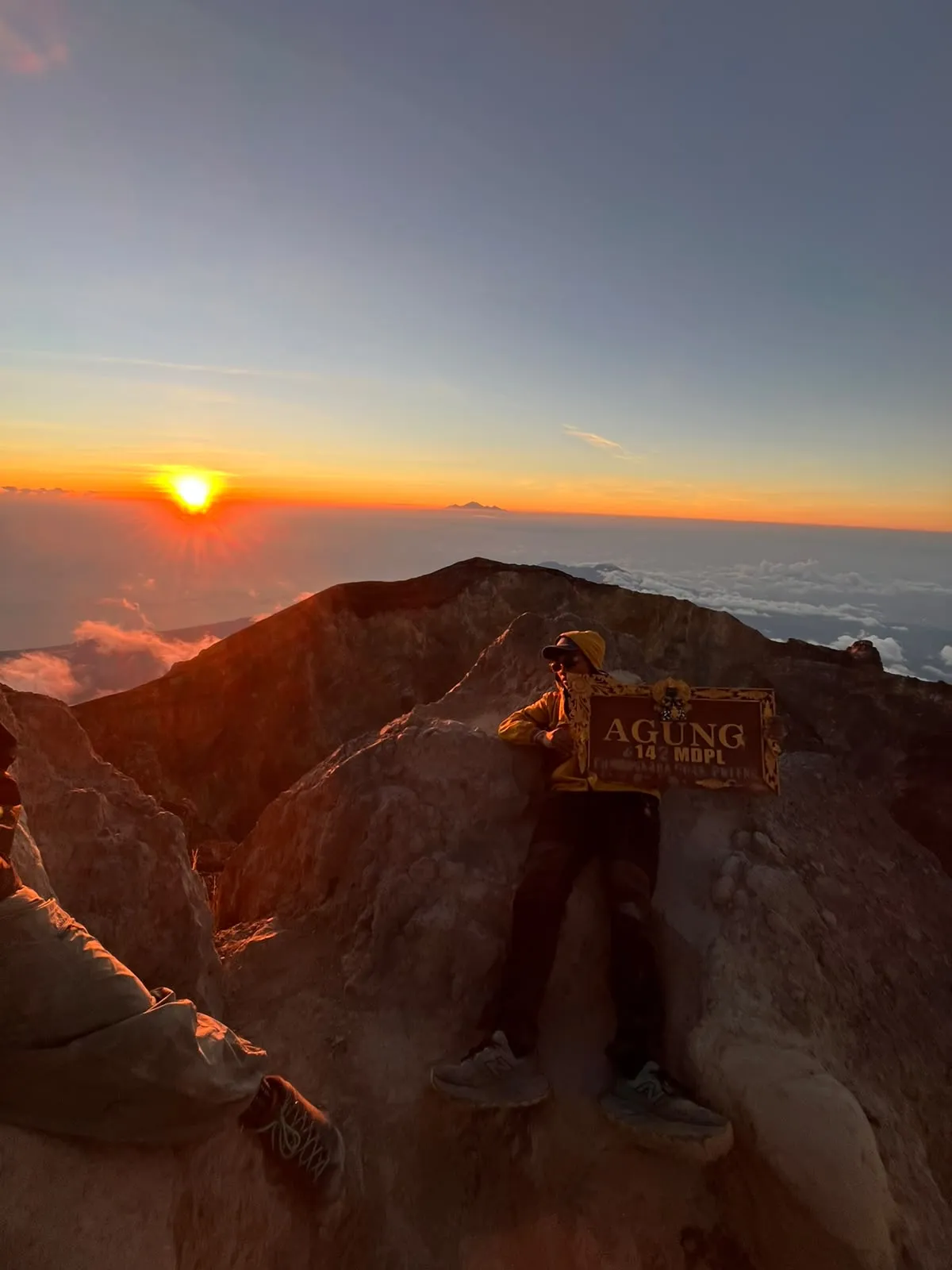
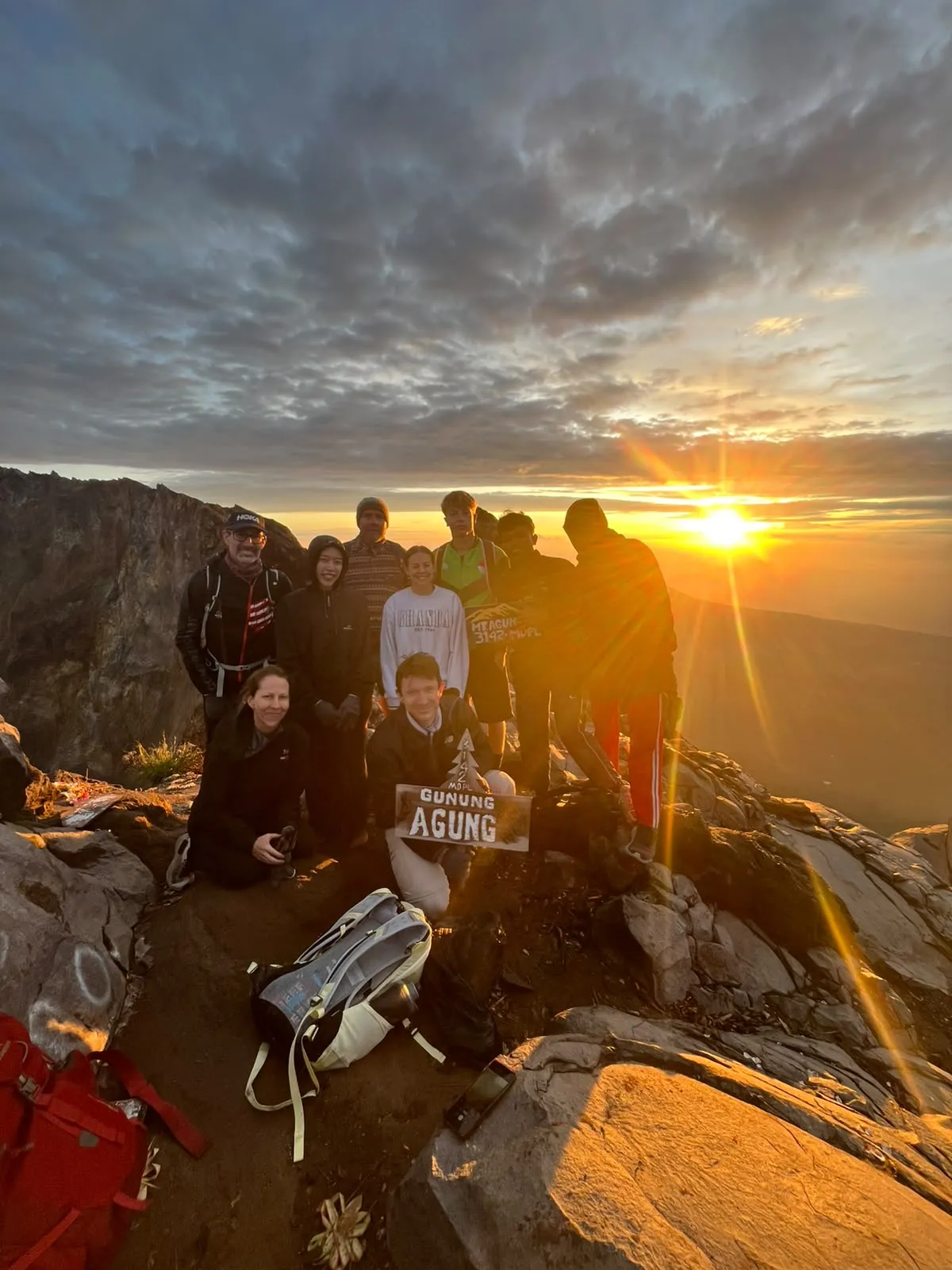
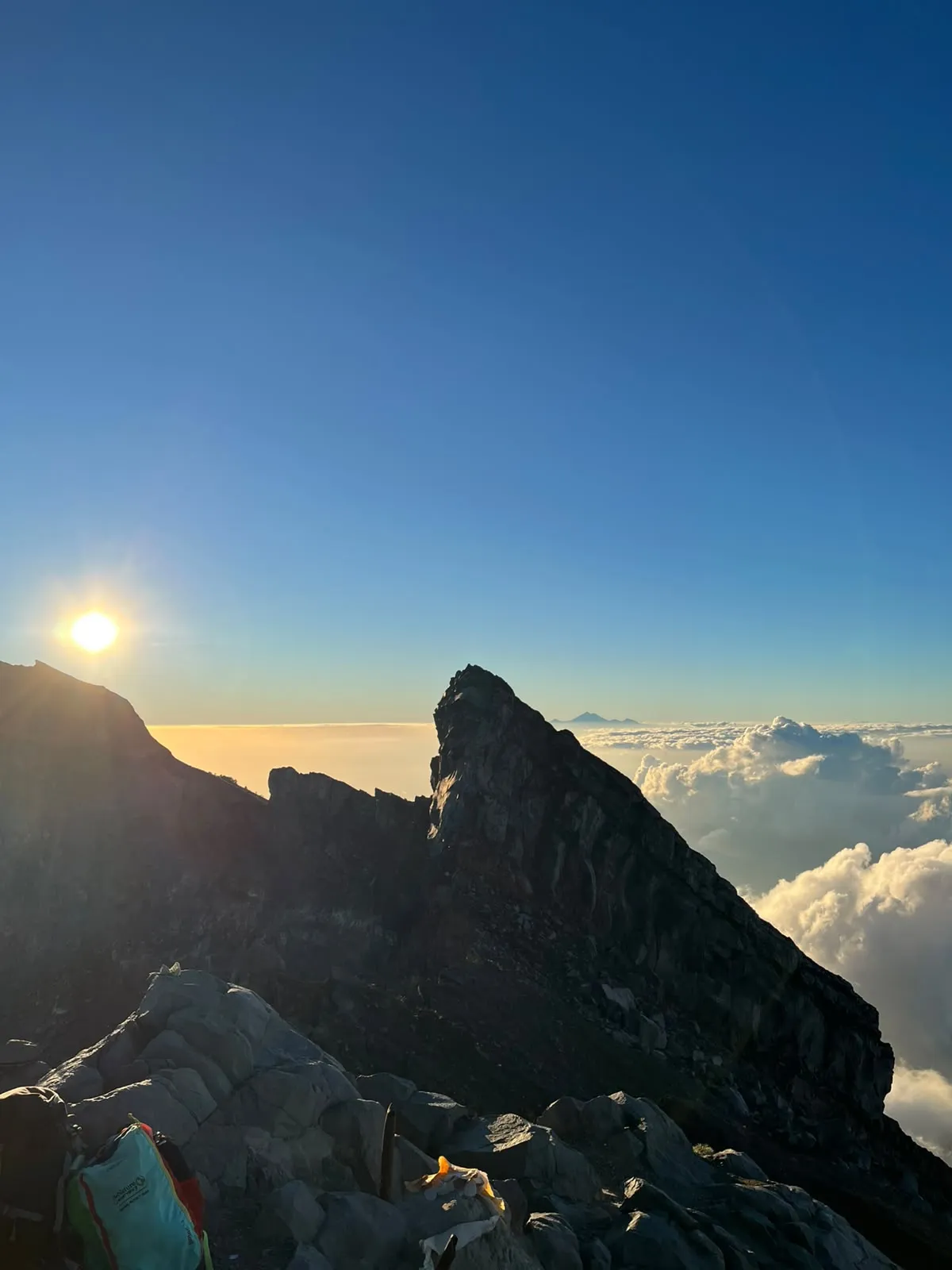
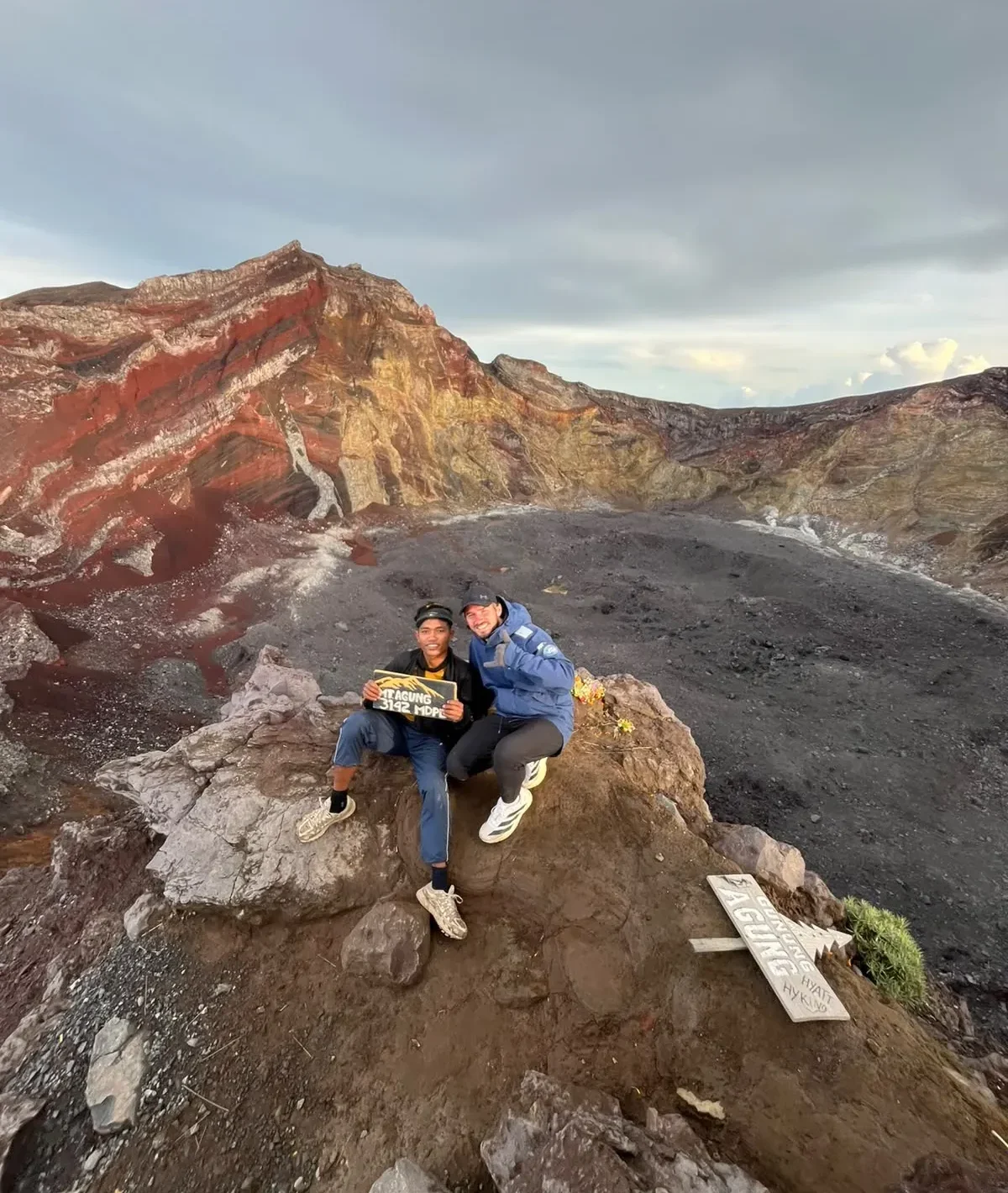
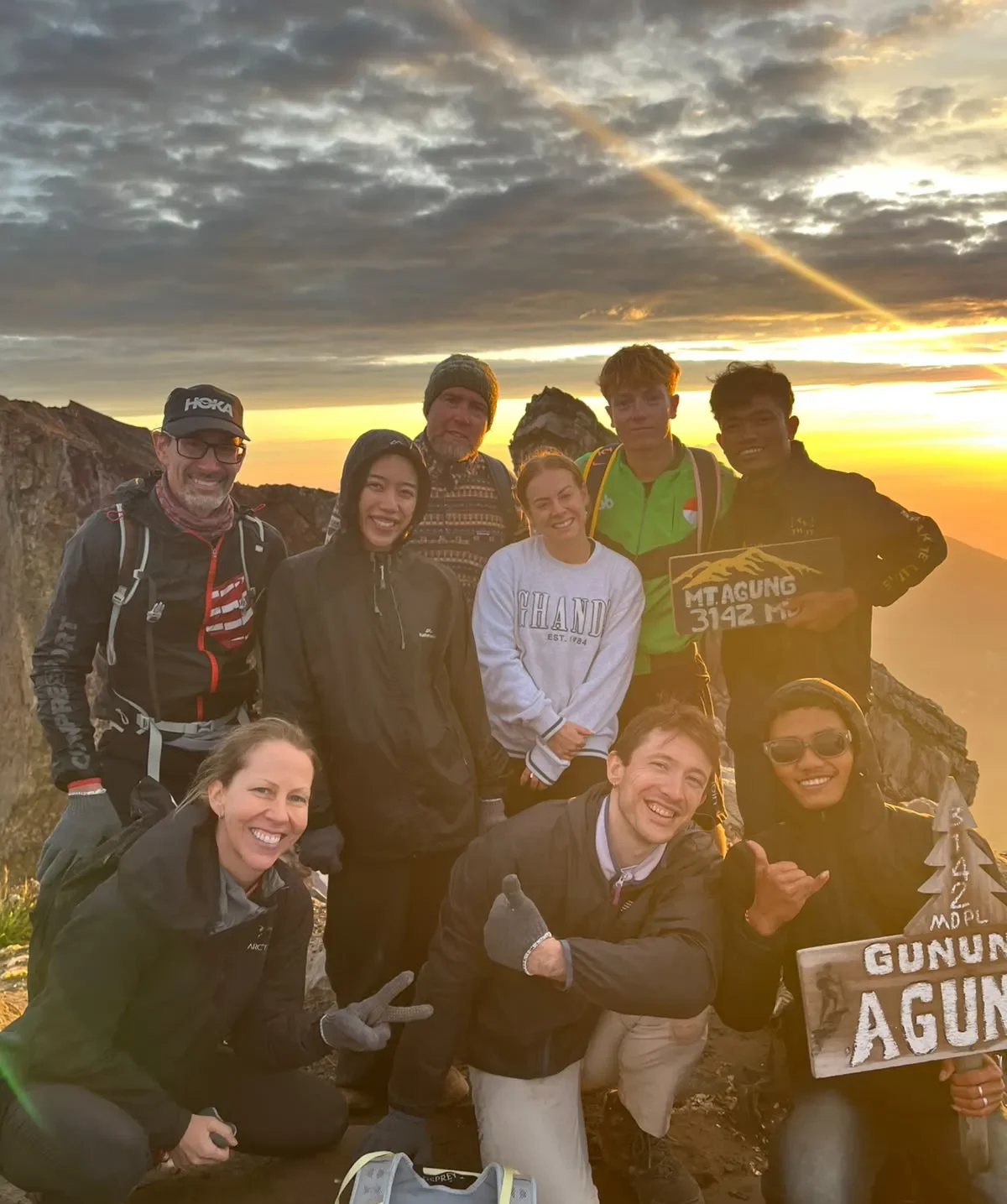
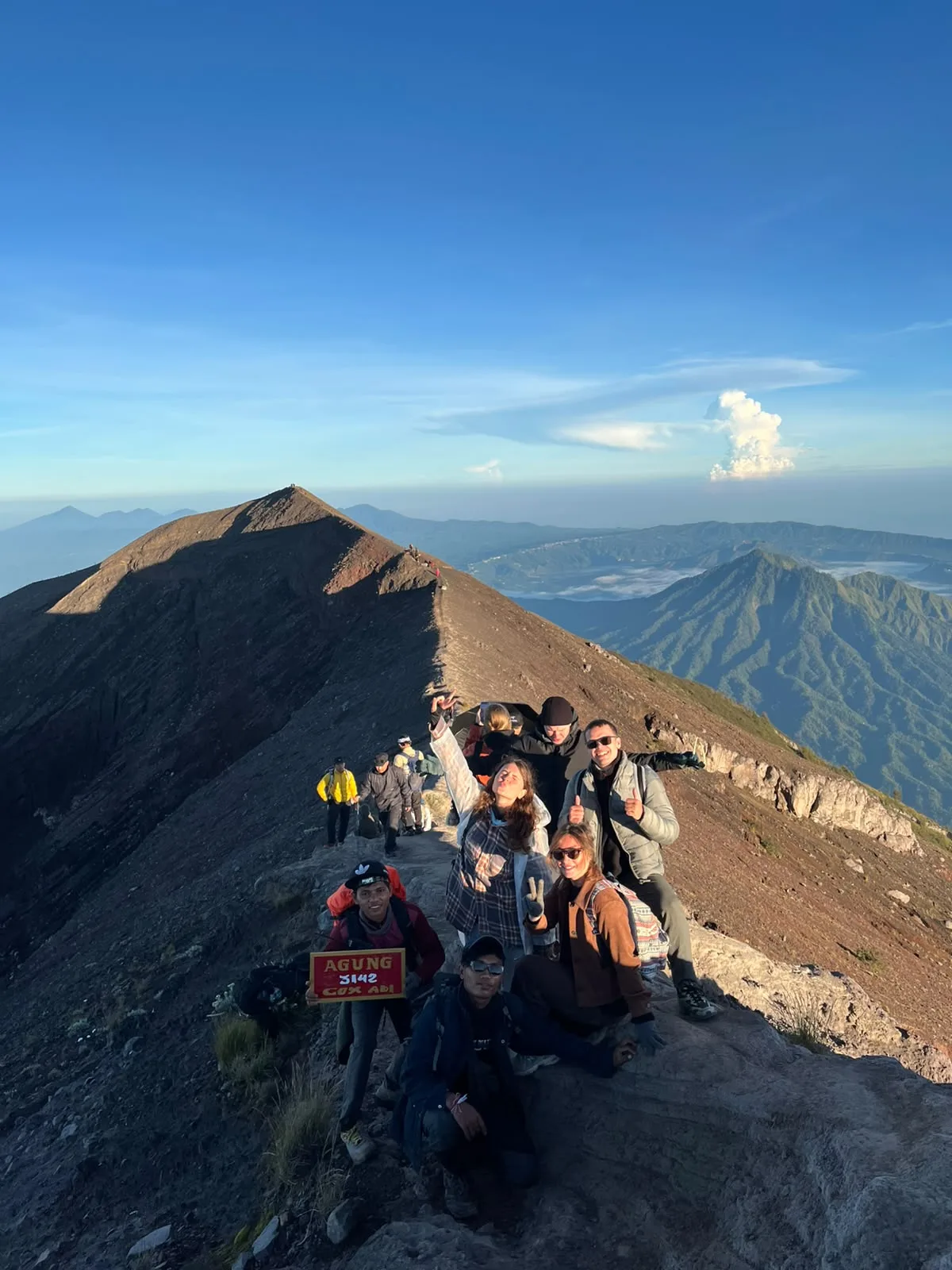
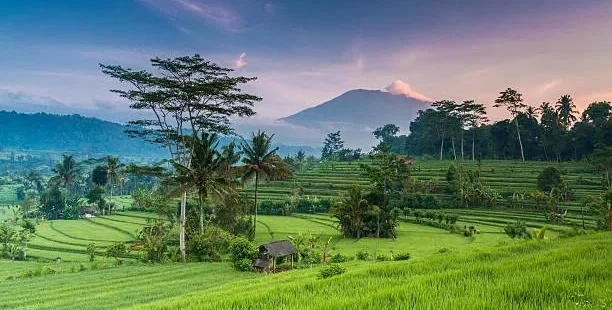
A picture is worth a thousand words—and on the roof of Bali, every frame tells a story of endurance, awe, and natural majesty. Browse through our collection of real Gunung Agung trekking photos captured during our sunrise and camping tours. From the golden glow breaking over the Lombok Strait at 3,142 meters to the rugged volcanic trails and starry campsites, these images offer a true glimpse into the ultimate Bali volcano hike experience.
Scroll down to see the peaks, the panoramas, and the adventure that awaits you.
Peaks Gallery
Snapshots from unforgettable climbs to Mount Agung’s summit.
Frequently Asked Questions
What views can I expect from the Mount Agung summit at 3,142 meters?
From the highest peak of Gunung Agung, you are treated to a breathtaking 360-degree panorama. On a clear morning, you can see the entire island of Bali spread out below you, the sparkling Bali Sea, the neighboring island of Lombok, and even the silhouette of Mount Rinjani in the distance. The sunrise paints the sky in vibrant shades of orange, pink, and gold—a view that makes every step of the challenging Mount Agung sunrise trekking journey worthwhile.
What is the best time of year to get clear summit views on Mount Agung?
The dry season (April to October) offers the clearest skies and the most reliable visibility from the summit. During these months, you have the highest chance of experiencing unobstructed sunrise views over the ocean. The wet season (November to March) brings more cloud cover and rain, which can obscure the panoramic vistas and make the trails more slippery. However, even during the dry season, mountain weather can be unpredictable, so always check with your guide beforehand.
Can I take photos and videos during the Mount Agung sunrise trek?
Absolutely! We highly encourage you to bring a camera or smartphone to capture the once-in-a-lifetime views. However, keep in mind that temperatures at the 3,142-meter summit can drop near freezing, which drains battery life quickly. We recommend bringing a power bank and keeping your devices warm inside your jacket. Headlamps are essential for the night ascent, but please turn them off or point them down when taking sunrise photos to avoid lens flares.
Are the views from the southern peak (2,900m) different from the highest peak (3,142m)?
Yes, there is a distinct difference. The highest peak at 3,142 meters offers a true 360-degree unobstructed view, including the massive volcanic crater below and a clear line of sight to Lombok and Mount Rinjani. The southern peak at 2,900 meters provides stunning sunrise views as well, but it sits slightly lower and off to the side, meaning the perspective is less expansive. For the ultimate Gunung Agung trekking experience and the most iconic photos, we always recommend pushing for the highest peak.
What makes the Mount Agung sunrise view so special compared to other Bali hikes?
While Bali has many beautiful hikes (like Mount Batur), Mount Agung stands alone. At 3,142 meters, it is Bali’s tallest volcano and is considered the island’s spiritual “mother mountain.” The sunrise from the summit feels profoundly sacred and remote. You are literally standing above the clouds, watching the sun rise from the ocean floor. The combination of the physical challenge, the cultural significance, and the unmatched altitude makes the Bali volcano hike on Gunung Agung the most spectacular sunrise view on the island.
Copyright ©
Komang Trekking | All rights reserved
Designed by www.tsidigitalsolution.com